
Car News

A tale of six halves: First ‘Ombré by Mulliner’ Collection
Bentley Rancho Mirage has received the first ‘Ombré by Mulliner’ Collection, featuring three different Bentley models each demonstrating a new Ombré paint scheme.
Why the Mazda MX-5 Remains a Top Choice for Car Enthusiasts
For over three decades, the Mazda MX-5 has captivated car enthusiasts worldwide. With its timeless design, lightweight construction, and exceptional driving dynamics, the MX-5 is a car that stands out in an ever-changing automotive market.

A closer look at the upcoming CLA: Sporty design meets efficiency
In a first drive, Mercedes?Benz CEO Ola Källenius gives detailed insights into the next-generation CLA at the Mercedes-Benz test facility in Immendingen.
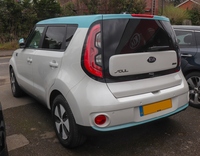
Why KIA Drivers Are Cruising Through Life In Luxury
There's a quiet revolution happening on the roads of America, a shift that challenges preconceptions and redefines the automotive hierarchy. KIA, a brand long associated with affordable and reliable transport, is now turning heads and challenging assumptions with a lineup of vehicles that are luxurious, technologically advanced, and above all, a joy to drive.
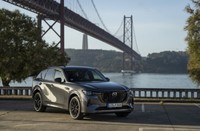
The all-new Mazda CX-60 - an evolution of Kodo design
The all-new Mazda CX-60 flagship SUV is launched with Mazda’s first plug-in hybrid technology powertrain and visually the new SUV reflects the latest enhancement of Kodo design - a design philosophy that debuted a decade ago with the launch of the first-generation Mazda CX-5, which was the first production car to feature Kodo design.
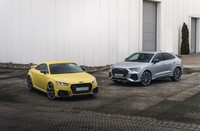
A stellar cast of even more colourful characters – the Audi model range for 2023
From this month the crisp creases and beautifully balanced proportions across the Audi model range will be brought into even sharper relief following a schedule of updates for the 2023 Model Year.
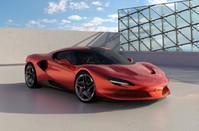
Ferrari SP48 Unica: A new One-Off from Maranello
The Ferrari SP48 Unica, the latest addition to the Prancing Horse’s One-Off series, was unveiled today and joins the most exclusive group in Maranello’s entire production: unique, absolutely bespoke cars crafted to the specifications of a single client and designed as a clear expression of their own individual requirements.
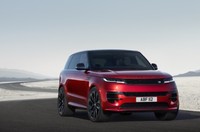
New Range Rover Sport revealed with epic spillway climb
The New Range Rover Sport has made its global premiere with a dramatic world-first climb up a flooded dam spillway in Iceland.
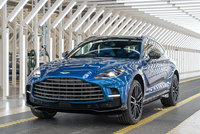
First Aston Martin DBX707 customer car completed
Aston Martin DBX707, the world’s most powerful luxury SUV, has begun to roar off the assembly line at St Athan, Wales.
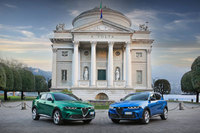
The Alfa Romeo Tonale Hybrid: the energy that moves everything
The Alfa Romeo Tonale has made its dynamic debut, taking to the roads at Tempio Voltiano around Lake Como, where Alessandro Volta invented the first battery. The Alfa Romeo Tonale marks the brand’s ‘metamorphosis’ into a new era of electrification.
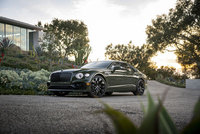
Flying Spur Hybrid certified as most efficient Bentley yet
The new Flying Spur Hybrid – the second electrified grand tourer in Bentley’s model range – has been certified as the most efficient and economical Bentley to date. With WLTP certification and Type Approval in place, the Flying Spur Hybrid records an average CO2 figure of just 75 g/km.
Here are the five best Mercedes-benz ever made!
Ever wondered what are the best Mercedes-Benz cars ever made? Well, it's not easy cherry-picking cars produced by the most premium automaker out there. Each Mercedes-Benz vehicle is outstandingly well-engineered and deserves the right amount of appreciation.
BMW Owners: Why you need an extended warranty
If you own a BMW, you know that it's a keeper. But are you protecting your investment? Like any other expensive item, your car needs protection, and an extended warranty is the best way to do that. With an extended warranty, you can relax knowing that any problems with your car will be taken care of by the warranty company. It protects you from the high costs of unexpected car repairs.
4 reasons to consider the new Ford Mustang Mach-E
The world is changing. The macho action heroes of the 1980s have given way to more complex, more human characters on the silver screen. Big sports news outlets, once singularly focused on players, are devoting more air time to issues of justice and equity. And the car world is going electric.

Profiling the 2021 Mazda3
Mazdas are beloved around the world, especially the Mazda3. Its combination of style, impressive safety and entertainment technology, and its spunky engine make it one of Mazda’s best sellers year after year.