If the mountain won’t come to the architect
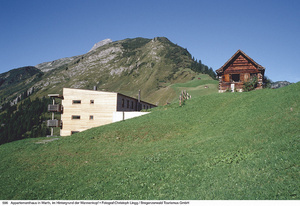
 Think that a walking trip in the Austrian Alps is all about chocolate box villages and traditional chalets? Think again, because a boom in Alpine architecture is gaining momentum and attracting an interesting new crowd: the culture-savvy outdoor type. New Austrian Alpine architecture is characterised by daring combinations of tradition and innovation, which blend harmoniously into the mountainous landscape. Some regions are already internationally renowned for their ground-breaking architecture.
Vorarlberg has established itself as a Mecca for architecture enthusiasts. All across Austria, a new kind of ‘Alpine look’ is emerging, which bridges the gap between ancient building traditions and cutting-edge design. The key to this balance act is the use of natural, local materials and know-how and a concern for the environment. And the result is stunning: classic Alpine landscapes enhanced by pockets of (post)modernity.
Zaha Hadid has found an ideal playground in Tirol, where she has realised various spectacular projects. For several decades now Tirol’s neighbours in Vorarlberg have been demonstrating how appealing unfussy architecture can be. The Tiroleans have now caught the building fever. Given that Tirol is known for its hospitality, most of the exciting new buildings here cater to the needs of visitors.
One highlight is Zaha Hadid’s Bergisel ski jump, a futuristic structure that has come to be known as the “Innsbruck Lighthouse”. Visitors can go to the top of the tower to enjoy the superb view of the Inn Valley from the platform or the restaurant. Further evidence of Tirol’s determination to foster contemporary architecture includes the new Hungerbergbahn mountain railway in Innsbruck, and the branches of the MPreis supermarket chain, which have gained numerous architectural awards.
The architecture in Carinthia, also known as the Alpine Riviera, has Mediterranean influences and is characterised by its many beach villas and boat houses which are reminiscent of the heyday of Carinthia’s summer resorts. But there is also plenty of contemporary architecture here. For example, Günter Domenig’s world famous Stone House on the shores of Lake Ossiach is a prime example of postmodern deconstructivist design. The controversial building took 20 years to build and is now used as a cultural venue.
The recently completed renovation of the historical hotel Schloss Velden on the shores of Lake Wörthersee is a successful combination of the new and the old traditions in Austrian architecture.
Salzburg is widely associated with the term “Baroque” but the province also boasts several outstanding examples of contemporary architecture, which show another side of Salzburg that perfectly supplements its historical legacy. In Zell am See, for example, the brand new Ferry Porsche Congress Center fits in well with the heart of the town. The same is true of the stylish Mavida Spa Hotel, the perfect base for those who love modern design and walking.
Walking holidays in Austria – a cultured way to experience the great outdoors.
For more information on walking holidays in Austria, visit the Walk Austria website at Austria.info/walk.